
Last Updated: October 23, 2026
Quick Summary
Rococo chocolate represents a distinct category within the luxury confectionery market that combines artisanal craftsmanship with carefully curated flavour profiles designed for discerning consumers. The brand emphasises hand-crafted production methods and premium ingredients, positioning itself at the intersection of fine food and experiential indulgence.
- The global chocolate market reached £101.5 billion in value in 2026, with artisanal and premium segments growing faster than mass-market alternatives.
- 71% of Gen Z consumers actively prefer chocolate confectionery featuring sweet and savoury flavour combinations.
- Premium chocolate pricing reflects rare cacao varieties, small-batch production labour costs, sustainable sourcing, and limited-edition design overhead.
- The premium chocolate sector experienced 9% weighted average organic growth during 2025, outpacing the broader market significantly.
- Rococo collections include The Garden (botanical and floral notes), The Apiary (honey and bee-derived ingredients), and The Orchard (fruit combinations).
Table of Contents
- What Is Rococo Chocolate?
- Rococo Chocolate Review: Quality and Craftsmanship
- Is Rococo Chocolate Worth the Premium Price?
- Rococo Chocolate Gifts: Why They Stand Out for Special Occasions
- How Rococo Compares with Other Luxury Chocolate Brands
- Choosing the Right Rococo Collection for Your Taste
- Conclusion
- Frequently Asked Questions
What Is Rococo Chocolate?
Rococo chocolate represents a distinct category within the luxury confectionery market. It combines artisanal craftsmanship with carefully curated flavour profiles designed for discerning consumers. The brand emphasises hand-crafted production methods and premium ingredients, positioning itself at the intersection of fine food and experiential indulgence.
At Sabor Chocolates, we understand that rococo chocolate appeals to consumers seeking more than sweetness, they want complexity, heritage, and thoughtfulness in every bite. The term itself evokes elegance and ornamentation, which translates directly into how these chocolates are conceived, crafted, and presented.
The global chocolate industry is experiencing significant evolution. According to Dame Cacao's 2026 market analysis, the market reached £101.5 billion in value, with artisanal and premium segments growing faster than mass-market alternatives. This growth reflects a broader consumer shift toward quality over quantity, a principle that defines rococo chocolate offerings.
What distinguishes rococo chocolate from standard confectionery is its deliberate focus on flavour innovation and presentation. Limited-edition collections, seasonal releases, and curated tasting experiences create a sense of exclusivity and discovery that resonates with affluent professionals and gift-givers alike.
Rococo Chocolate Review: Quality and Craftsmanship
The quality of rococo chocolate hinges on three core elements: ingredient sourcing, production technique, and flavour development. Most premium chocolate brands prioritise these areas, but execution varies significantly.
Artisanal chocolate makers typically source single-origin cacao, use lower production temperatures to preserve delicate flavours, and employ small-batch methods that allow for precise control. This contrasts sharply with mass-produced alternatives, where speed and consistency take precedence over nuance.
According to Barry Callebaut's 2026 consumer trends report, 71% of Gen Z consumers actively prefer chocolate confectionery featuring sweet and savoury flavour combinations. This data reflects a fundamental shift in palate expectations, consumers no longer settle for straightforward sweetness. They seek complexity: dark chocolate paired with sea salt, cocoa balanced against spice, or fruit notes layered with umami undertones.
The craftsmanship behind rococo chocolate extends beyond flavour. Packaging, presentation, and the unboxing experience matter considerably. Elegant design, protective wrapping, and thoughtful curation all contribute to perceived value and customer satisfaction. When consumers invest in premium chocolate, they're purchasing an entire sensory experience, not merely a product.
Is Rococo Chocolate Worth the Premium Price?
This question cuts to the heart of luxury confectionery purchasing decisions. Premium pricing reflects genuine production differences, not merely branding.
The cost structure of rococo chocolate breaks down across several areas: rare cacao varieties command higher prices than commodity-grade cocoa; small-batch production means higher labour costs per unit; sustainable sourcing and ethical practices add transparency expenses; and limited-edition releases involve design, packaging, and inventory management overhead that mass producers avoid.
Research from Madison & Wall's 2026 chocolate market analysis documented a 9% weighted average organic growth in the premium chocolate sector during 2025. This growth outpaced the broader market significantly, suggesting that affluent consumers consistently vote with their wallets for quality-focused brands.
However, premium pricing only justifies itself through consistent delivery. The objection "I've been burned before with limited-edition items selling out instantly" reflects legitimate concern about scarcity-driven marketing versus genuine product excellence. Reliable brands maintain stock predictability, guarantee consistent quality across orders, and stand behind their products with clear satisfaction policies.
For corporate gifting, the value proposition becomes even clearer. Rococo chocolate gifts signal thoughtfulness and investment in client relationships. The presentation alone communicates care and attention, something mass-market alternatives cannot replicate. When consistency and quality matter to your reputation, premium chocolate delivers measurable ROI through improved client perception.
Rococo Chocolate Gifts: Why They Stand Out for Special Occasions
Gifting premium chocolate serves a specific psychological function: it communicates sophistication, thoughtfulness, and investment in the recipient's experience. Rococo chocolate excels in this context because it combines sensory delight with visual elegance.
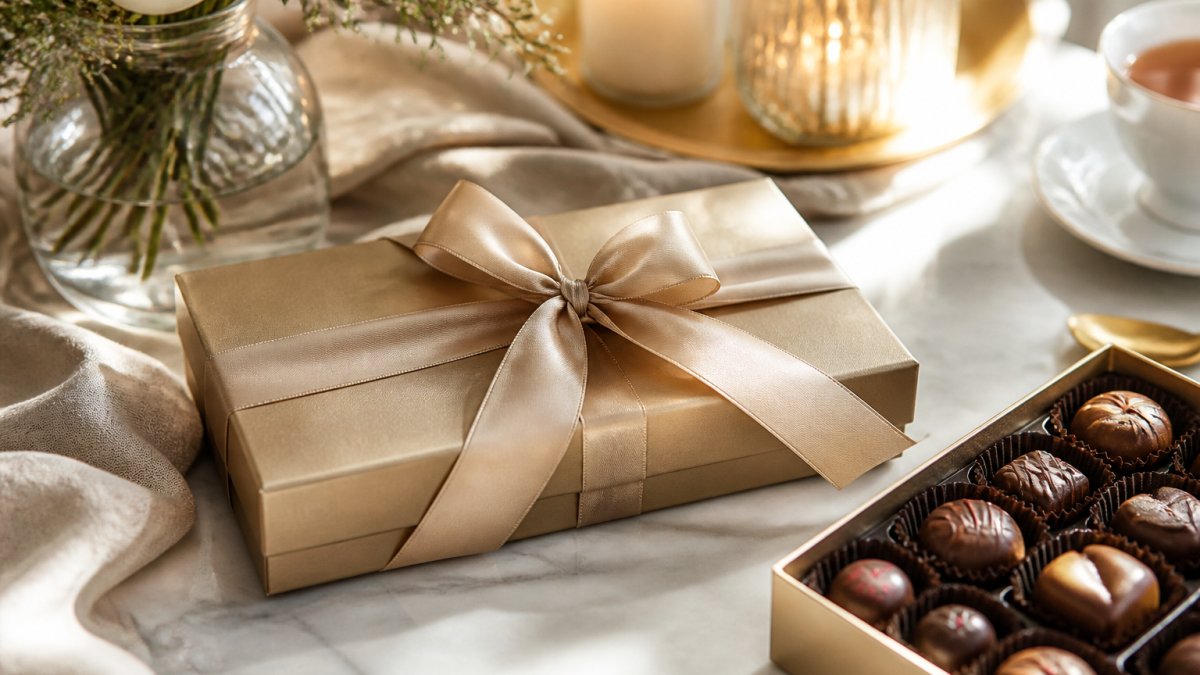
The unboxing experience matters more than most gift-givers realise. When recipients open a box of rococo chocolate, they encounter carefully arranged pieces, protective tissue, perhaps a tasting guide or story card. This theatrical presentation elevates the moment beyond simple consumption, it becomes a memorable experience worth sharing.
For corporate appreciation, rococo chocolate addresses a real challenge: finding gifts that feel personal without overstepping professional boundaries. A box of artisanal chocolates communicates gratitude without presumption. It's luxurious enough to feel substantial, yet universal enough to suit diverse preferences and dietary considerations (within reason).
Seasonal collections amplify the gifting appeal. Limited-edition releases like Pumpkin Spice Latte chocolates create timeliness and exclusivity. Gifting a seasonal collection signals that you've selected something specifically for this moment, not grabbed a generic option from stock.
The concern about availability, "how do I know you'll have stock when I want to order?", deserves direct acknowledgment. Reliable luxury brands maintain production schedules that balance exclusivity with accessibility. Transparency about availability windows, pre-order options, and restock timelines builds trust with gift-givers who need confidence in delivery.
How Rococo Compares with Other Luxury Chocolate Brands
The luxury chocolate market includes several established players, each with distinct positioning. Understanding these differences helps clarify what rococo chocolate offers relative to alternatives.
| Positioning Factor | Rococo Focus | Other Premium Brands | Key Difference |
|---|---|---|---|
| Flavour Innovation | Seasonal collections, sweet-savoury combinations | Traditional profiles, heritage recipes | Rococo emphasises contemporary experimentation |
| Production Scale | Limited-batch, artisanal | Varies: some artisanal, some scaled | Rococo prioritises small-batch control |
| Packaging | Elegant, curated presentation | Luxury-focused, varies by brand | Rococo emphasises unboxing experience |
| Price Positioning | Premium, justified by ingredients | Premium to ultra-premium | Rococo balances luxury with accessibility |
| Seasonal Offerings | Regular limited editions | Occasional seasonal releases | Rococo makes seasonality core to strategy |
The comparison reveals that rococo chocolate competes on innovation and contemporary flavour profiles rather than heritage alone. While some competitors trade on decades of tradition, rococo chocolate appeals to consumers seeking discovery and novelty within a premium framework.
To explore how Sabor Chocolates fits within this landscape, you can review premium artisan chocolate options for 2026 for broader context on the market.
Pricing comparison requires nuance. Other luxury brands charge similar amounts but may allocate resources differently, some toward heritage storytelling, others toward ingredient rarity, still others toward production scale. Rococo chocolate typically invests heavily in flavour development and seasonal innovation, which justifies its positioning without necessarily being the most expensive option available.
The real question isn't whether rococo chocolate costs more than alternatives, it's whether the specific value proposition (innovation, curation, seasonal exclusivity) aligns with your priorities.
Choosing the Right Rococo Collection for Your Taste
Selecting a rococo chocolate collection requires understanding your own flavour preferences and how they map onto available options.
The Garden collection appeals to consumers seeking botanical and floral notes, think lavender, rose, or herbal undertones paired with quality chocolate. The Apiary collection emphasises honey and bee-derived ingredients, creating rich, slightly sweet profiles. The Orchard collection focuses on fruit: stone fruits, berries, citrus, and dried fruit combinations that add brightness and complexity.
To choose effectively, consider these criteria:
- Flavour intensity: Do you prefer subtle, sophisticated notes or bold, unmistakable profiles?
- Sweetness level: Some collections skew sweeter; others emphasise cocoa bitterness with minimal added sugar.
- Ingredient preferences: Nut allergies, dairy sensitivities, or vegan requirements narrow the field significantly.
- Occasion: Personal indulgence allows for experimental choices; gifting often calls for safer, more universally appealing flavours.
According to Taste Tomorrow's 2025 consumer research, search volumes for "chocolate bar fillings" increased 191% in Q2 2025, indicating growing consumer interest in understanding what's inside before purchasing. This trend suggests buyers increasingly value transparency about ingredients and flavour composition.
For guidance on selecting artisanal chocolate aligned with your taste profile, explore how to choose artisanal chocolate: a 2026 guide. That resource breaks down selection criteria in detail.
The risk of ordering rococo chocolate without prior experience is real: flavour preferences are deeply personal, and what appeals to one palate may disappoint another. Mitigate this by starting with smaller quantities or sample collections before committing to full boxes. Reading tasting notes carefully and understanding the flavour profiles of each collection reduces the chance of mismatch.
Conclusion
Rococo chocolate represents a meaningful investment in quality, innovation, and sensory experience. The premium pricing reflects genuine differences in ingredients, production methods, and curation, not mere marketing positioning. Whether for personal indulgence or thoughtful gifting, rococo chocolate delivers on the promise of artisanal craftsmanship and contemporary flavour development.
At Sabor Chocolates, we believe the best chocolate combines rigorous ingredient sourcing, transparent production practices, and genuine flavour innovation. Our curated collections, including The Garden, The Apiary, and The Orchard, are designed to deliver exactly that. Explore our Sabor Collection to discover which flavour profile resonates with your palate.
Frequently Asked Questions
Is Rococo chocolate good?
Rococo chocolate earns recognition for its focus on artisanal craftsmanship and distinctive flavour combinations. The brand emphasises quality ingredients and careful production methods, which appeal to consumers seeking premium confectionery. However, preference depends on individual taste; some consumers gravitate towards specific flavour profiles more than others. The best way to assess whether it suits you is to try a collection aligned with your flavour preferences, such as their seasonal offerings or core ranges.
Is Rococo chocolate worth the price?
Rococo positions itself in the luxury chocolate segment, where pricing reflects artisanal production, curated ingredients, and exclusive flavour development. The premium cost accounts for small-batch craftsmanship rather than mass production. For consumers prioritising sophisticated flavours, elegant presentation, and the experience of curated collections, the investment aligns with their values. Those seeking everyday chocolate may find standard options more practical; Rococo targets occasions and indulgences where quality and uniqueness matter most.
What makes Rococo chocolate gifts suitable for corporate or special occasions?
Rococo chocolate gifts appeal to corporate and personal gifting because they communicate thoughtfulness and refinement. The brand's curated collections and elegant packaging signal sophistication, making them suitable for client appreciation or milestone celebrations. Consistency in presentation and quality supports corporate gifting reliability. The artisanal positioning differentiates Rococo gifts from mass-market options, creating a memorable impression. Limited-edition seasonal collections add exclusivity, which enhances the perceived value of the gift.
How does Rococo compare with other luxury chocolate brands?
Rococo competes within the premium chocolate market. Other luxury brands similarly emphasise artisanal production, curated flavours, and premium positioning. Rococo's strength lies in its distinctive flavour collections and seasonal innovation. The premium chocolate sector experiences strong consumer demand for artisanal options. Differentiation typically hinges on flavour uniqueness, ingredient sourcing, packaging elegance, and brand heritage rather than price alone.
