
Last Updated: October 23, 2026
Quick Summary
To choose artisanal chocolate, look for short ingredient lists with recognisable items, check labels for single-origin cocoa beans and their specific region, and select a cocoa percentage and flavour profile that suits your personal palate. Quality artisanal makers prioritise real ingredients and transparent sourcing over mass-production consistency.
- Read ingredient lists and avoid bars with palm oil, artificial flavourings, and lengthy chemical additives.
- Start with 60-70% dark chocolate if new to it, then explore higher percentages as your palate adjusts.
- Observe appearance for a smooth, glossy finish and listen for a clean snap when breaking the bar.
- Store chocolate between 12-18°C in a cool, dark place, avoiding the fridge to prevent bloom.
- Taste slowly by letting chocolate melt on your tongue before chewing to notice flavour development.
Table of Contents
- What Makes Artisan Chocolate Special
- How to Choose Good Chocolate: Key Quality Indicators
- How to Choose a Chocolate Bar That Suits Your Palate
- Selecting Artisanal Chocolate Gifts for Special Occasions
- Tasting and Appreciating Artisanal Chocolate
- Storage and Preservation Tips
- Frequently Asked Questions
What Makes Artisan Chocolate Special
When you choose artisanal chocolate, you select something that stands apart from mass-produced alternatives because it's crafted with intention, quality ingredients, and genuine care. At Sabor Chocolates, we understand that true artisanal chocolate reflects the maker's passion for their craft. Research published in the International Journal of Food Design found that participants associated artisan chocolate with passion, high quality, art, and happiness, revealing how consumers instinctively recognise genuine craftsmanship.
What distinguishes artisan chocolate isn't just marketing. Small-batch makers control every step: sourcing specific cocoa beans, tempering by hand or in small machines, and adding thoughtful ingredients rather than fillers. The result tastes noticeably different.
Mass-produced chocolate prioritises consistency and shelf life. Artisanal makers prioritise flavour and texture. They often work with single-origin cocoa, meaning beans from one specific region rather than a blend of many sources. This transparency matters because you know exactly where your chocolate comes from.
The craft also shows in presentation. Artisan makers package their work carefully because they view each bar as a finished piece. Elegant packaging isn't just aesthetics, it signals respect for the product inside.
How to Choose Good Chocolate: Key Quality Indicators
To choose artisanal chocolate well, you must learn to read labels and understand what makes one bar superior to another. The best indicators are straightforward once you know what to look for.
Cocoa Percentage and Bean Origin
Cocoa percentage tells you how much of the bar is cocoa solids and cocoa butter versus added ingredients like sugar. Higher percentages typically mean more intense, less sweet chocolate. A 70% dark chocolate contains 70% cocoa and 30% other ingredients.
But percentage alone doesn't determine quality. A poorly made 85% bar can taste harsh and bitter. A well-made 70% bar from quality beans tastes balanced and nuanced. What matters more is what percentage you actually enjoy, there's no "best" number, only your preference.
Bean origin makes a real difference. Cocoa from Ecuador tastes different from cocoa from Madagascar. Venezuelan cocoa has its own character. Single-origin bars let you explore these flavour differences. Look for labels that specify the country or region where beans were grown.
Our collections like The Orchard showcase how origin and complementary ingredients work together. Rich dark chocolate paired with sour cherries and toasted almonds demonstrates how quality cocoa becomes the foundation for a complete flavour experience.

Ingredient Transparency
Read the ingredients list. Quality artisanal chocolate has a short list: cocoa, cocoa butter, sugar, and perhaps vanilla or lecithin as an emulsifier. That's it.
Avoid bars with lengthy ingredient lists filled with unfamiliar names. Palm oil, artificial flavourings, and excessive additives signal mass production, not craftsmanship.
Some makers add unique ingredients intentionally, sea salt, honey, nuts, dried fruit. These should be recognisable ingredients you'd use in your own kitchen, not chemical compounds.
Transparency extends beyond the ingredients list. Good makers tell you their story. Where did they source cocoa? How do they temper? What's their approach to flavour? This information usually appears on packaging or their website.
How to Choose a Chocolate Bar That Suits Your Palate
Finding your ideal chocolate means understanding the main types and recognising what flavours appeal to you personally.
Understanding Chocolate Types
Dark chocolate contains at least 50% cocoa solids. It ranges from 50% (relatively sweet) to 90%+ (intensely bitter). Dark chocolate lovers appreciate the cocoa's natural complexity. Start with 60-70% if you're new to dark chocolate, then explore higher percentages as your palate adjusts.
Milk chocolate blends cocoa with milk solids and more sugar. It's creamier and sweeter than dark chocolate. Quality milk chocolate still uses real cocoa, it's not just sugar and milk powder. The Apiary exemplifies this: smooth milk chocolate with honeycomb and sea salt creates complexity within a sweeter format.

White chocolate contains cocoa butter but no cocoa solids, so technically it's not chocolate. It's pure cocoa butter, milk, and sugar. White chocolate works best when made with quality cocoa butter and paired with strong flavours. The Garden combines white chocolate with raspberry and pistachio, the tartness of raspberry prevents white chocolate from feeling cloying.

Ruby chocolate is a newer category with a naturally pink hue and tart berry flavour, made from a specific cocoa bean variety. It's rare and worth trying if you find it.
Flavour Pairing and Personal Preference
The best chocolate for you is the one you actually enjoy eating. Some people love pure cocoa intensity. Others prefer chocolate as a canvas for complementary flavours.
Consider what flavours appeal to you generally. If you love citrus, seek bars with orange or lemon. If you prefer earthy tastes, look for bars with nuts or spices. If you enjoy floral notes, try bars with lavender or rose.
Texture matters too. Some bars snap cleanly when you break them. Others melt smoothly on your tongue. Some include crunchy elements like nuts or honeycomb. Notice what texture you prefer and seek it out.
Temperature changes how chocolate tastes. Cold chocolate tastes more bitter. Room-temperature chocolate reveals more nuance. Warm chocolate becomes silky and flavours blend together. Experiment with temperature to understand your preference.
Selecting Artisanal Chocolate Gifts for Special Occasions
Artisanal chocolate makes a thoughtful gift because it signals care and sophistication. You're not giving a generic sweet, you're giving an experience.
For corporate gifts, consistency and presentation matter. Your recipients need to feel confident they're receiving something genuinely premium. Quality packaging reassures them that thought went into the selection.
Consider the recipient's known preferences. Do they prefer dark or milk chocolate? Do they have favourite flavours? A gift that matches their taste feels personal rather than generic.
Presentation elevates the gift. Artisanal makers typically package bars beautifully. Some include tasting notes that guide the recipient through flavour layers. This educational element transforms chocolate from a treat into an experience.
For multiple recipients, curated collections work well. They show you've selected a range of flavours rather than buying identical bars for everyone. This approach suits corporate appreciation or client gifts where variety demonstrates thoughtfulness.
Seasonal collections add timeliness to gifts. A gift given in autumn feels more considered if it includes seasonal flavours. Limited editions signal exclusivity, your recipient receives something not available year-round.
Tasting and Appreciating Artisanal Chocolate
Tasting artisanal chocolate properly means slowing down and engaging your senses. This transforms eating chocolate from a quick habit into a deliberate experience.
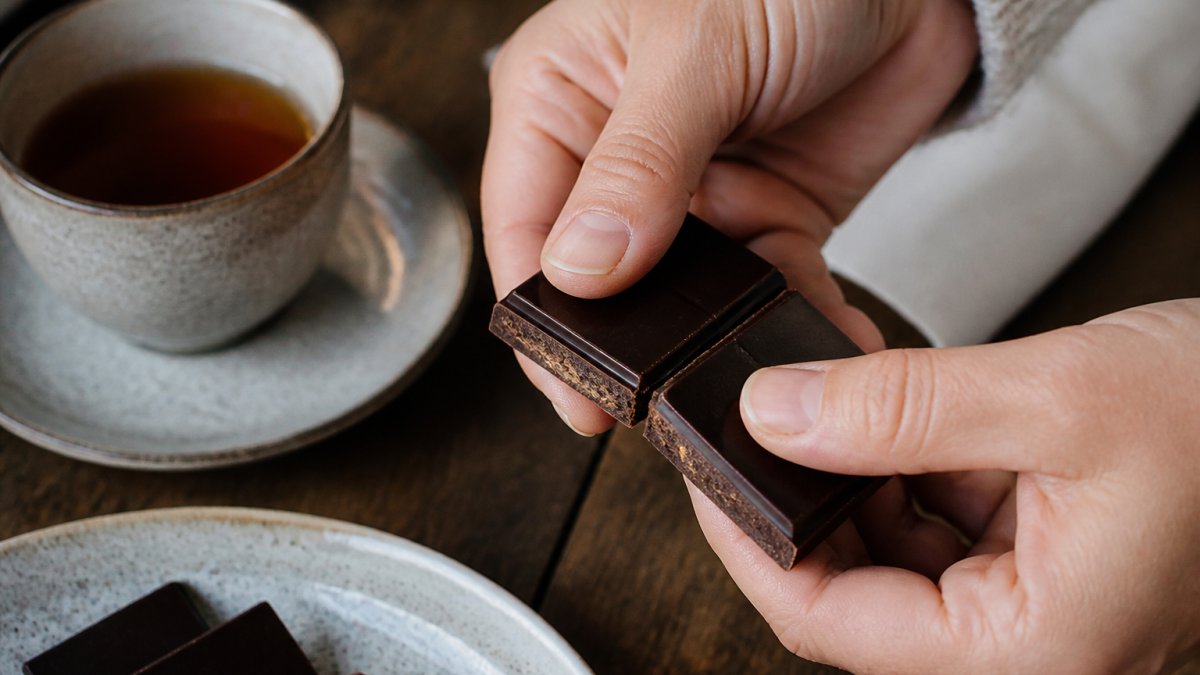
Start by observing the bar's appearance. Quality chocolate has a smooth, glossy finish. If it looks dull or streaky, the tempering may be off. The snap when you break it should be clean and audible, this indicates proper cocoa butter crystallisation.
Smell the chocolate before tasting. Cocoa has complex aromas. Some bars smell fruity, others earthy or floral. Your nose prepares your palate for what's coming.
Place a small piece on your tongue and let it sit for a few seconds. Don't chew immediately. Let it melt. Notice how flavours develop as temperature rises. The first taste is different from what you experience as chocolate fully melts.
Then chew gently and notice texture. Does it feel smooth or grainy? Are there crunchy elements? How do additional ingredients interact with the cocoa?
Finish by noticing the aftertaste. Quality chocolate leaves a pleasant flavour that lingers. Poor chocolate tastes flat or leaves a waxy coating.
Take notes if you're exploring multiple bars. Track what you enjoyed and what didn't work for you. This builds your personal flavour profile over time.
| Tasting Element | What to Notice | Why It Matters |
|---|---|---|
| Appearance | Smooth, glossy finish | Indicates proper tempering |
| Snap | Clean break with audible sound | Shows cocoa butter crystallisation |
| Aroma | Fruity, earthy, or floral notes | Prepares palate and signals quality |
| Melt | Smooth, gradual dissolution on tongue | Indicates cocoa butter quality |
| Flavour development | How taste changes as chocolate melts | Shows ingredient complexity |
| Texture | Smooth or grainy, crunchy elements | Reflects craftsmanship and ingredients |
| Aftertaste | Pleasant lingering flavour | Quality marker, poor chocolate tastes flat |
Storage and Preservation Tips
Proper storage keeps artisanal chocolate tasting its best. Cocoa butter is sensitive to temperature, light, and humidity.
Store chocolate in a cool, dark place. Ideally between 12-18°C. Avoid the fridge unless your home is very warm, cold temperatures can cause "bloom," a white coating that forms when cocoa butter rises to the surface. Bloom doesn't mean chocolate has gone bad, but it affects texture and appearance.
Keep chocolate away from strong odours. Cocoa absorbs smells easily. Store it separately from spices, coffee, or anything aromatic.
Humidity matters. Very damp environments encourage mould. Very dry environments can dry out chocolate. Aim for moderate humidity, your normal living space usually works fine.
Most artisanal chocolate lasts 6-12 months when stored properly. Check packaging for specific guidance. Some makers include "best before" dates. These dates reflect peak flavour, not safety, chocolate older than the date is still safe to eat but may taste slightly different.
Once opened, reseal packaging carefully. If chocolate comes in a box, keep it in the box. If it's wrapped, rewrap it. This protects it from air exposure and odours.
Choosing artisanal chocolate becomes easier once you understand what to look for. Quality makers prioritise real ingredients, thoughtful flavour combinations, and careful craftsmanship. At Sabor Chocolates, we create collections like The Garden, The Apiary, and The Orchard, each bar crafted with specific flavours and textures in mind. Start by exploring different cocoa percentages and flavour profiles to discover what resonates with your palate. Then invest in bars from makers who share their sourcing story and ingredient philosophy. Your appreciation for artisanal chocolate deepens with each thoughtful tasting.
Frequently Asked Questions
What makes chocolate artisanal?
Artisanal chocolate is crafted in small batches using high-quality cocoa beans, often single-origin, with careful attention to ingredient selection and production technique. Unlike mass-produced chocolate, artisanal makers typically control fermentation, roasting, and tempering processes to develop complex flavours. Research published in the International Journal of Food Design found that consumers associate artisan chocolate with passion, high quality, art and happiness, reflecting the care evident in handcrafted production rather than industrial manufacturing.
How can you tell if chocolate is high quality?
High-quality artisanal chocolate should list specific cocoa bean origins, contain minimal additives, and display a smooth, glossy finish. Check the ingredient list: fewer, recognisable ingredients signal better craftsmanship. The snap when you break it should be clean and audible, not crumbly. Flavour should be complex and well-balanced, with no waxy or artificial taste. Transparent labelling about sourcing and production methods is a reliable indicator of quality and care.
What ingredients should good artisanal chocolate contain?
Quality artisanal chocolate typically contains cocoa solids, cocoa butter, and sugar as primary ingredients. Look for natural vanilla, sea salt, or real fruit and nut components rather than artificial flavourings or excessive additives. Avoid products with vegetable oil, palm oil, or long lists of preservatives. Artisanal makers often highlight single-origin cocoa and ethical sourcing. For example, Sabor Chocolates' The Orchard combines rich dark chocolate with tart sour cherries and crisp toasted almonds, real, identifiable ingredients that create balanced, sophisticated flavour.
Is a higher cocoa percentage always better?
Not necessarily. Cocoa percentage indicates cocoa solids content, but doesn't guarantee superior taste or quality. A 70% dark chocolate crafted with care may deliver more nuanced, enjoyable flavour than a 90% bar made with inferior beans. Artisanal makers balance cocoa percentage with complementary ingredients and technique. Milk chocolate and white chocolate can be equally excellent when made with high-quality cocoa butter and careful craftsmanship. Choose based on your palate preference and the maker's reputation, not percentage alone.
