
Table of Contents
- Understanding Flavour Profiles in Artisan Chocolate
- How to Taste Artisan Chocolate Before Pairing
- Fruit Pairings for Chocolate: Complementary and Contrasting Combinations
- Chocolate and Wine Pairing: A Step-by-Step Guide
- Chocolate and Cheese Pairing: Building Sophisticated Combinations
- Experimenting with Herbs, Spices, and Unexpected Pairings
- Common Mistakes to Avoid When Pairing Artisan Chocolate with Flavours
- Frequently Asked Questions
Last Updated: 19 October 2026
Understanding Flavour Profiles in Artisan Chocolate
How to pair artisan chocolate with flavours starts with understanding what makes each chocolate unique. At Sabor Chocolates, we know that every artisan bar tells a story through its flavour profile, and that story determines which pairings will sing.

Artisan chocolate flavour profiles depend on three main factors: the cocoa origin, the cocoa percentage, and any added ingredients. A dark chocolate from Ecuador tastes completely different from one made in Madagascar. One has earthy, fruity notes.
The cocoa percentage matters too. A 70% dark chocolate carries more intense cocoa flavour than a 50% bar. This intensity changes what it pairs well with. Light, delicate pairings work better with milk chocolate.
According to research on chocolate and nut pairings, the dominant flavours of the chocolate itself shape how people respond to different combinations. This means your chocolate choice isn't just a starting point, it's the foundation for everything that follows.
White chocolate offers creamy sweetness with vanilla undertones. Milk chocolate brings caramel and nutty warmth. Dark chocolate delivers cocoa depth with fruit or spice notes depending on origin.
Understanding these profiles helps you make intentional choices instead of random guesses. A raspberry-pistachio pairing works beautifully with white chocolate because the tartness cuts through the sweetness.
How to Taste Artisan Chocolate Before Pairing
Tasting artisan chocolate properly takes just five minutes, and it transforms how you understand what to pair it with. This step matters because rushing into pairing without truly knowing your chocolate leads to mismatches.
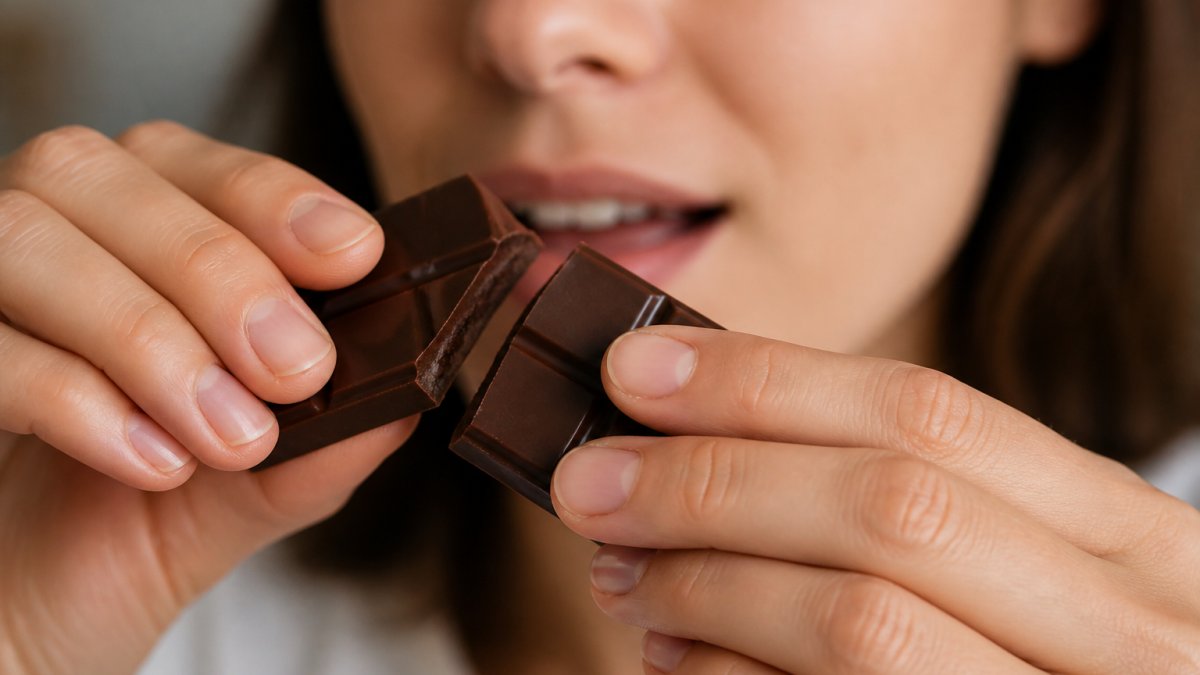
Break off a small piece. Let it sit on your tongue for a few seconds before chewing. Your mouth temperature will release flavours that biting immediately would mask.
Notice the texture first. Does it melt smoothly? Is it grainy? Artisan chocolate should feel silky and dissolve completely. Then pay attention to flavour evolution. Most good chocolate shifts flavours as it melts.
Let the chocolate finish melting completely before you swallow. This is when the aftertaste appears, often the most interesting part.
Take notes on what you taste:
- First flavour (what hits immediately)
- Middle notes (flavours that emerge as it melts)
- Finish (what lingers after you swallow)
- Texture (smooth, grainy, snappy)
- Intensity (mild, moderate, bold)
This simple tasting map becomes your pairing guide. If your chocolate has bright fruit notes, pair it with something that either amplifies that fruit or provides contrast.
The Sabor Chocolates collection demonstrates how different profiles call for different approaches. The Orchard, with its sour cherry and toasted almond base in dark chocolate, needs pairings that respect its complexity without overwhelming it.

Fruit Pairings for Chocolate: Complementary and Contrasting Combinations
Fruit and chocolate is the most natural pairing in the world, but there's a difference between good fruit pairings and exceptional ones. The key is understanding when to match and when to contrast.
Complementary fruit pairings work because the fruit echoes flavours already in the chocolate. If your chocolate has raspberry notes, pairing it with actual raspberries feels inevitable and balanced. The Sabor Chocolates Garden bar (£6.95) combines white chocolate with raspberry and pistachio, so serving it alongside fresh raspberries or raspberry coulis feels like a natural extension.
Contrasting fruit pairings work by introducing something completely different. A tart berry cuts through rich, sweet chocolate. A tropical fruit brings brightness to deep, earthy dark chocolate. These pairings surprise and delight because they shift your palate.
Here's how to choose:
- Berries with dark chocolate: Raspberries, blackberries, and blueberries all work. Their tartness balances cocoa depth. Serve fresh or as a coulis.
- Citrus with milk chocolate: Orange, lemon, and grapefruit add sharpness. They prevent milk chocolate from feeling cloying. The Sicilian (£6.95) already includes candied orange, so fresh citrus would be redundant.
- Stone fruit with milk chocolate: Apricot, peach, and plum bring warmth. They complement the caramel notes in milk chocolate without competing.
- Tropical fruit with dark chocolate: Mango, pineapple, and passion fruit create exciting contrast. Their sweetness plays against cocoa bitterness.
Search interest in single-origin chocolate has grown significantly, with Taste Tomorrow reporting a 94% increase for single-origin chocolate searches, reflecting how many people now seek chocolates with distinct, traceable flavour profiles.
Chocolate and Wine Pairing: A Step-by-Step Guide
Pairing chocolate with wine follows the same logic as food and wine pairing, but chocolate's sweetness and intensity require specific attention. Most people pair too casually and end up with clashing flavours.
Start by matching intensity. Light, delicate wines go with milk chocolate. Full-bodied wines suit dark chocolate. This simple rule prevents one flavour from drowning out the other.
Here's your step-by-step approach:
- Identify your chocolate's dominant flavour (fruity, nutty, spiced, earthy)
- Choose a wine with complementary or contrasting notes (not both at once)
- Taste the chocolate first to coat your palate
- Take a small sip of wine and let it sit for a moment
- Notice how they interact, does the wine enhance the chocolate? Does the chocolate make the wine taste better?
- Adjust if needed (try a different wine or a different chocolate)
Specific combinations that work well:
- Dark chocolate with red wine: Pinot noir or Cabernet Sauvignon bring earthy depth that matches dark chocolate's cocoa intensity
- Milk chocolate with lighter reds: Beaujolais or Grenache offer fruit without overpowering sweetness
- White chocolate with dessert wine: Moscato or late-harvest Riesling echo white chocolate's sweetness
- Dark chocolate with fortified wine: Port or Madeira add richness and complexity
The sweetness of your chocolate matters more than most people realise. A heavily sweetened milk chocolate will make dry wine taste harsh. A less-sweet dark chocolate can handle bolder wines without conflict.
Chocolate and Cheese Pairing: Building Sophisticated Combinations
Chocolate and cheese might sound unusual, but it's one of the most elegant pairings available. The key is choosing cheeses that either complement or contrast with your chocolate's profile.
Hard, aged cheeses work best. They have enough flavour intensity to stand up to chocolate without getting lost. Soft, mild cheeses disappear entirely.
Strong, salty cheeses create the most interesting pairings because they cut through chocolate's richness. A sharp cheddar with dark chocolate creates tension and release on your palate. The salt amplifies the chocolate's cocoa notes while the chocolate softens the cheese's sharpness.
Try these combinations:
- Dark chocolate with aged cheddar: The salt and sharpness cut chocolate's sweetness
- Milk chocolate with Gruyère: Nutty, caramel notes in both create harmony
- White chocolate with Parmesan: The umami and salt in Parmesan provide contrast
- Dark chocolate with blue cheese: Bold flavours match bold flavours for adventurous palates
The Apiary (£6.95), with its honeycomb and sea salt in milk chocolate, pairs beautifully with Gruyère because the salt and sweetness already present in the chocolate find their match in the cheese's nutty, salty profile.

Serve cheese at room temperature and chocolate slightly cool (not cold). Cold chocolate loses its flavour complexity. Room-temperature cheese releases its full aroma and taste.
Start with small portions. A bite of cheese, then a small piece of chocolate. Let them sit together on your tongue for a moment before chewing. This gives your palate time to register both flavours.
Experimenting with Herbs, Spices, and Unexpected Pairings
Once you master basic pairings, experimenting with herbs and spices opens up entirely new possibilities. These additions can amplify chocolate's existing notes or introduce surprising contrast.
Warm spices work naturally with chocolate. Cinnamon, cardamom, nutmeg, and clove all have warmth that matches cocoa's earthiness. These spices also bring sweetness that complements chocolate without competing.
Fresh herbs create contrast. Mint cools and refreshes against chocolate's richness. Basil brings unexpected brightness. Thyme adds subtle earthiness that deepens chocolate's complexity.
Here's how to experiment safely:
- Start with small amounts (a pinch of spice, a few herb leaves)
- Taste your chocolate first to establish a baseline
- Add the spice or herb and notice how it changes the experience
- Wait a few moments for flavours to develop fully
- Adjust the amount based on your preference
Specific pairings to try:
- Dark chocolate with sea salt and black pepper: The pepper adds heat and spice
- Milk chocolate with cinnamon: Warm spice amplifies caramel notes
- Dark chocolate with fresh mint: Cool, bright contrast against cocoa depth
- White chocolate with cardamom: Floral spice notes enhance vanilla undertones
- Dark chocolate with chilli: Heat creates excitement and prevents sweetness from cloying
Interest in unexpected chocolate pairings has grown, with Puratos tracking a 137% surge in searches for pistachio chocolate fillings following Dubai chocolate trends, showing how consumers increasingly seek novel flavour combinations.
The Sicilian (£6.95) demonstrates how unexpected pairings create memorable experiences. Candied orange and pistachio in dark chocolate shouldn't work together, but they do, the citrus brightness and nutty warmth create complexity that single-ingredient pairings can't match.
Common Mistakes to Avoid When Pairing Artisan Chocolate with Flavours
Most people make the same pairing mistakes repeatedly. Knowing these pitfalls helps you avoid them.
Mistake 1: Pairing too many flavours at once. Three or more competing flavours confuse your palate instead of delighting it. Stick to two main flavours, your chocolate and one pairing element.
Mistake 2: Ignoring chocolate intensity. A delicate white chocolate gets completely overwhelmed by bold red wine or sharp cheese.
Mistake 3: Serving chocolate too cold. Cold chocolate tastes muted and waxy. Room temperature or slightly warm chocolate releases its full flavour profile.
Mistake 5: Using low-quality chocolate as a pairing base. Artisan chocolate's complexity is what makes pairing interesting. Mass-produced chocolate lacks the nuance needed for sophisticated pairings.
Mistake 6: Assuming all pairings should be complementary. Some of the best pairings create tension and contrast. Don't feel obligated to match everything.
Mistake 7: Pairing without considering the occasion. A bold, experimental pairing might be perfect for personal tasting but inappropriate for a formal gift presentation. Think about context when you choose your pairings.
| Mistake | What Goes Wrong | How to Fix It |
|---|---|---|
| Too many flavours | Palate confusion | Limit to chocolate plus one pairing element |
| Ignoring intensity | One flavour overwhelms the other | Match intensity levels or deliberately contrast them |
| Chocolate too cold | Muted, waxy taste | Serve at room temperature |
| No baseline taste | Can't tell if pairing works | Taste chocolate alone first |
| Low-quality chocolate | Lacks complexity | Use artisan chocolate with distinct profiles |
| Only complementary pairings | Misses exciting contrasts | Experiment with tension and opposition |
| Wrong context | Inappropriate for the occasion | Consider setting before choosing pairings |
Pairing artisan chocolate with flavours transforms chocolate from a simple treat into an experience.
Frequently Asked Questions
What flavours pair well with dark chocolate?
Dark chocolate's deep, bittersweet notes complement tart and fruity flavours beautifully. Sour cherries, raspberries, and candied orange work exceptionally well, as do roasted nuts like almonds and pistachios. The Orchard bar, featuring sour cherry and toasted almond in dark chocolate, demonstrates this principle. Sea salt, black pepper, and even chilli also pair wonderfully, as their intensity balances the chocolate's richness without overwhelming it.
How do you pair artisan chocolate with wine?
Match the chocolate's cocoa intensity to the wine's body and tannin structure. Dark chocolate pairs with full-bodied reds like Cabernet Sauvignon or Pinot Noir; milk chocolate suits lighter reds or even dessert wines; white chocolate complements Rieslings or sparkling wines. Taste both separately first to identify their dominant flavours, then sip the wine, eat a small piece of chocolate, and notice how the flavours interact. The key is balance, neither should overpower the other.
What fruit goes best with artisan chocolate?
Berries, particularly raspberries, blackberries, and sour cherries, are classic partners for artisan chocolate. The Garden combines white chocolate with raspberry and pistachio for a bright, fruity experience. Citrus fruits like candied orange add sophistication and cut through richness; The Sicilian pairs dark chocolate with candied orange and pistachio. Fresh figs, dried apricots, and even pomegranate seeds offer interesting contrasts. Choose fruits whose acidity or tartness offsets the chocolate's sweetness.
Does cheese pair well with artisan chocolate?
Yes. Creamy, mild cheeses complement milk and white chocolate beautifully, creating a luxurious contrast. Hard, aged cheeses such as Gruyère pair excellently with dark chocolate, as their savoury, complex notes echo the chocolate's depth. Start by tasting the cheese on its own, then a small piece of chocolate, then both together. The interplay of textures and flavours, creamy against crisp, sweet against savoury, creates memorable combinations.