
Table of Contents
- What Makes the Best Chocolate Worth Seeking Out
- The Best Chocolate Bars: A Curated Comparison
- How to Choose Chocolate That Suits the Occasion
- The Best Chocolate Gifts for Thoughtful Giving
- A Chocolate Tasting Guide for the Curious
- Seasonal Specialities and Limited Editions
- Conclusion
- Frequently Asked Questions
Last Updated: October 17, 2026
What Makes the Best Chocolate Worth Seeking Out
The best chocolate is defined by three things: the quality of the cocoa, the restraint of the maker, and the freshness of the finish. Everything else, from the wrapper to the tasting notes, is decoration. At Sabor Chocolates, we build every bar around that principle, and this guide explains how to judge a bar before you spend a penny on it.
Cocoa percentage tells you very little on its own. A 70% bar can taste flat and waxy; a 55% bar can taste alive. What separates the best chocolate from the merely expensive is how the maker handles the space between cocoa, sugar and inclusions. Add too much and the cocoa disappears. Add too little and the bar has nothing to say.
That is the throughline of this article: flavour balance, not cocoa content, is the real measure of quality. Below, we compare our six bars side by side, explain which suits which occasion, and give you a tasting method you can actually use at home.
The Best Chocolate Bars: A Curated Comparison
The best chocolate bars in a curated range should each do one thing exceptionally well rather than many things adequately. Our range follows that rule: six bars, six distinct flavour profiles, each built around a single idea.
Every bar weighs a minimum of 100g and costs £6.95. That consistency matters when you are buying several to compare or building a gift. Here is how the range breaks down.
| Bar | Chocolate | Key Inclusions | Flavour Character | Price |
|---|---|---|---|---|
| The Orchard | Dark | Sour cherry, toasted almond | Tart fruit, roasted nut | £6.95 |
| The Sicillian | Dark | Candied orange, pistachio | Bittersweet citrus, delicate nut | £6.95 |
| The Apiary | Milk | Honeycomb, sea salt | Creamy, crunchy, salted caramel | £6.95 |
| The Grove | Milk | Luxury fruit and nut | Sweet, fruity, comforting | £6.95 |
| The Garden | White | Raspberry, pistachio | Tangy fruit, creamy | £6.95 |
| The Patisserie | White | Lemon, butter shortbread | Bright citrus, biscuit crunch | £6.95 |
The Orchard: Sour Cherry & Toasted Almond in Dark Chocolate
The Orchard is the bar for anyone who thinks dark chocolate has to be austere. Rich dark chocolate carries tart sour cherries and crisp toasted almonds, and the fruit does the work that sugar usually does in lesser bars. Deep cocoa up front, a bright sour note in the middle, roasted nuttiness on the finish.

Our view: this is the most versatile bar in the range. It suits an evening plate, a cheese board, or a gift for someone who claims not to like dark chocolate. The one limitation is that the sour cherry is assertive. If you want a quiet bar, look elsewhere.
The Sicillian: Candied Orange & Pistachio in Dark Chocolate
Candied orange and pistachio in dark chocolate is a classic pairing, and The Sicillian executes it with restraint. Jewel-like pieces of candied orange meet vibrant pistachio against deep, bittersweet cocoa. The citrus cuts through the cocoa rather than sitting on top of it.
Where it falls short: candied peel divides people. If you dislike marmalade, you will dislike this bar. For everyone else, it is the most elegant option here and the one we would take to a dinner party.
The Apiary: Honeycomb & Sea Salt in Milk Chocolate
Milk chocolate, crisp golden honeycomb and a delicate touch of sea salt. The Apiary is the bar most likely to convert someone who says they do not like "posh chocolate". Smooth, creamy and satisfyingly crunchy, with just enough salt to stop the caramelised sweetness running away with itself.
A common mistake with honeycomb bars is over-sweetening the chocolate to match the honeycomb. We did the opposite. The salt is the point.
The Grove, The Garden and The Patisserie
The Grove takes silky milk chocolate and studs it generously with a luxurious selection of fruits and nuts. It is our indulgent take on the classic fruit and nut bar: sweet, fruity, crunchy and deeply comforting. This is the crowd-pleaser, and the one we would buy by the handful for an office.
The Garden pairs creamy white chocolate with tangy raspberry and pistachio. The sharpness of the raspberry cuts through the sweetness of the white chocolate, which is exactly what most white chocolate gets wrong. Bright, fruity and delicately nutty.
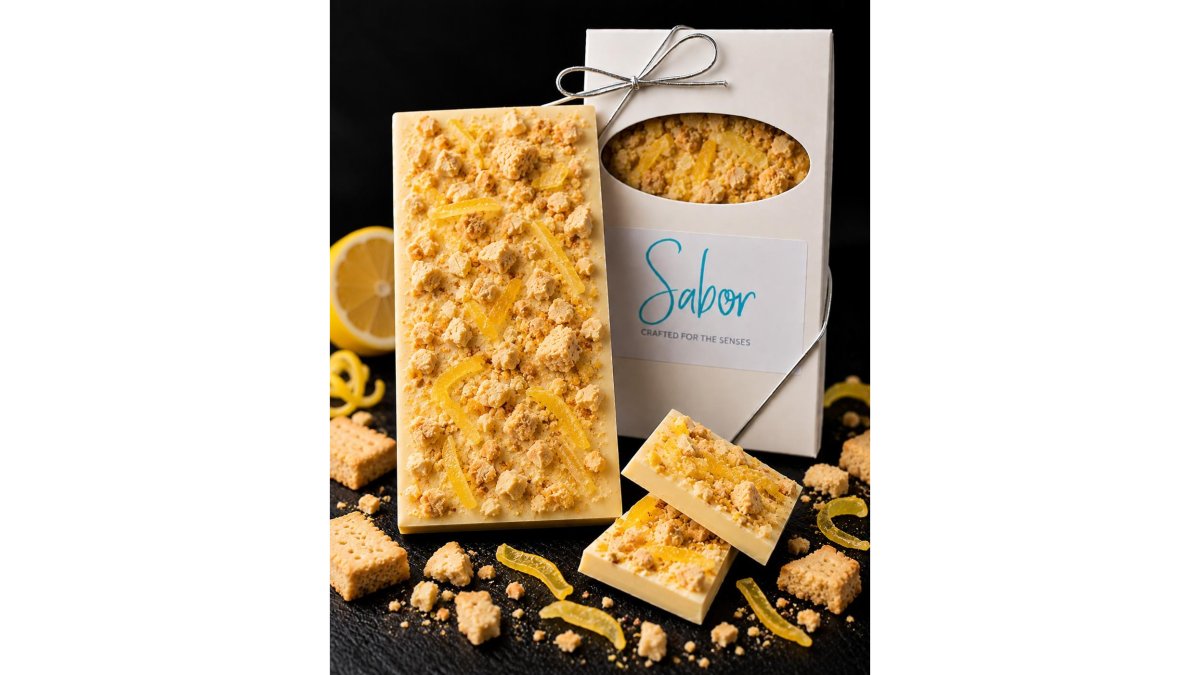
The Patisserie layers silky white chocolate with bright lemon and pieces of buttery shortbread. Fresh citrus, creamy chocolate and a delicate biscuit crunch, inspired by a classic patisserie treat. It is the most dessert-like bar in the range.
How to Choose Chocolate That Suits the Occasion
How to choose chocolate comes down to matching flavour intensity to the moment. A bar that sings at a dinner party can overwhelm a quiet afternoon, and a comforting bar can disappear at a formal table.
Our rule of thumb:
- Gifting to a stranger or client: choose dark with fruit. The Orchard or The Sicillian read as considered rather than safe.
- Gifting to someone who "doesn't like dark chocolate": choose milk. The Apiary or The Grove.
- A dessert replacement after dinner: choose white. The Patisserie.
- A shared plate or cheese board: choose dark with nuts. The Orchard again.
- A pick-me-up on a grey afternoon: The Grove, without question.
The mistake most buyers make is choosing by cocoa percentage. Choose by what the bar is for, and the percentage stops mattering.

| Occasion | Best Bar | Why |
|---|---|---|
| Client or corporate gift | The Sicillian | Elegant, memorable, citrus-forward |
| Dinner party | The Orchard | Balanced, versatile, adult |
| Office sharing | The Grove | Familiar, comforting, crowd-pleasing |
| Dessert substitute | The Patisserie | Biscuit crunch, dessert-like |
| Personal treat | The Apiary | Sweet, salty, crunchy |
The Best Chocolate Gifts for Thoughtful Giving
The best chocolate gifts are the ones the recipient would not buy themselves. That usually means a bar with a clear point of view, presented well, rather than a large box of anonymous truffles.
Our bars suit gifting because each one has a name and a flavour identity. If you are buying for a client, a mixed selection of three tells a better story than a single bar. Add a handwritten note naming the flavour you chose and why, and you have a gift that reads as thoughtful rather than transactional.
For corporate orders, consistency is the thing buyers worry about most. Every bar in our range is made to the same standard and presented the same way, so a repeat order looks like the first one.
A Chocolate Tasting Guide for the Curious
A chocolate tasting guide is simple: let the chocolate warm, smell it before you eat it, and chew rather than suck. Most people taste chocolate too cold and too fast, which is why they think all bars taste the same.
Work through these steps in order:
- Let it sit. Take the bar out of the fridge 15 minutes before tasting. Cold chocolate releases almost no aroma.
- Smell before you bite. Break a piece and hold it near your nose. You should get the inclusions first, cocoa second.
- Chew, don't suck. Chewing releases the inclusions and lets the cocoa coat your palate evenly.
- Wait for the finish. The flavour after you swallow is the tell. A good bar finishes clean; a cheap one finishes waxy.
- Taste in order. White, then milk, then dark. Going dark-first numbs your palate for everything after.
- Clean your palate. Water or a plain cracker between bars. Not coffee, which masks too much.
Try this with three bars from our range and you will notice things you have never noticed in supermarket chocolate.
Seasonal Specialities and Limited Editions
Seasonal specialities are where a chocolate range gets to experiment. Our Halloween Pumpkin Spiced Latte Chocolates, a box of eight at £9.95, take dark chocolate and add the warm indulgence of espresso and pumpkin spices. It is a bar for a specific mood rather than an everyday purchase.
The honest trade-off: seasonal lines are made in smaller runs, so they sell through. If you want them for a specific date, order early. If you are not a seasonal buyer, our core range is available year-round and always will be. That is deliberate. We would rather have six bars you can rely on than twenty you can only find in October.
Conclusion
Choosing well takes a little more thought than picking up the first bar you see, and a little less than the packaging suggests. Match the bar to the moment, taste before you judge, and buy from makers who can tell you exactly what is in the bar and why.
If you want a range built around balance rather than cocoa percentages, Sabor Chocolates offers six core bars at £6.95 each, a seasonal speciality range, and curated collections designed for gifting. Start with The Orchard and The Apiary and see which side of the range your palate lives on.

Frequently Asked Questions
What makes chocolate high quality?
High-quality chocolate starts with careful ingredient choices and a clean production process. Look for a short ingredient list, a clear cocoa percentage, and visible inclusions such as whole nuts or real fruit pieces rather than flavourings. Cocoa butter should appear as the fat, not vegetable fat. Artisanal makers typically produce in smaller batches, which gives tighter control over tempering and texture. The result is a bar that snaps cleanly, melts smoothly on the tongue, and tastes of its ingredients rather than sugar alone.
Which type of chocolate is best for gifting?
The best chocolate gifts balance flavour, presentation and a sense of occasion. Dark chocolate suits recipients who enjoy depth and less sweetness, while milk and white chocolate tend to please broader tastes. A mixed selection removes the guesswork: something like The Orchard for fruit-and-nut lovers, The Apiary for caramel fans, and The Garden for those who prefer white chocolate. Presentation matters too, so choose bars with considered packaging and a clear flavour story you can explain when handing them over.
How can you tell if chocolate is good quality?
Break a piece and listen for a sharp snap, which signals proper tempering. The surface should be glossy and even, without white streaks or a dull bloom. Let it melt on your tongue: good chocolate melts steadily and releases flavour in layers rather than tasting flatly sweet. Check the label for a short ingredient list and a stated cocoa percentage. Finally, note the finish. A quality bar leaves a clean, lingering taste, while cheaper chocolate often leaves a waxy or cloying coating.
What is the difference between artisan and mass-produced chocolate?
Artisan chocolate is made in smaller batches with closer attention to ingredient sourcing, roasting and tempering. Makers can adjust recipes for balance and use inclusions like real candied orange or toasted almonds rather than artificial flavourings. Mass-produced chocolate prioritises consistency and shelf life across huge volumes, which often means more sugar, added fats and fewer distinct flavour notes. The practical difference shows up in texture and taste: artisan bars tend to snap more cleanly and reveal more layered flavour, while mass-produced bars can taste uniform and overly sweet.
The challenge with artisanal chocolate is that most of it is either beautiful and bland or flavourful and badly presented. We built Sabor Chocolates to avoid both: six bars, each with a clear flavour identity, all made to the same standard and presented with the care a gift deserves. Explore our curated collections and seasonal specialities, and find the bar that suits the way you actually eat chocolate.